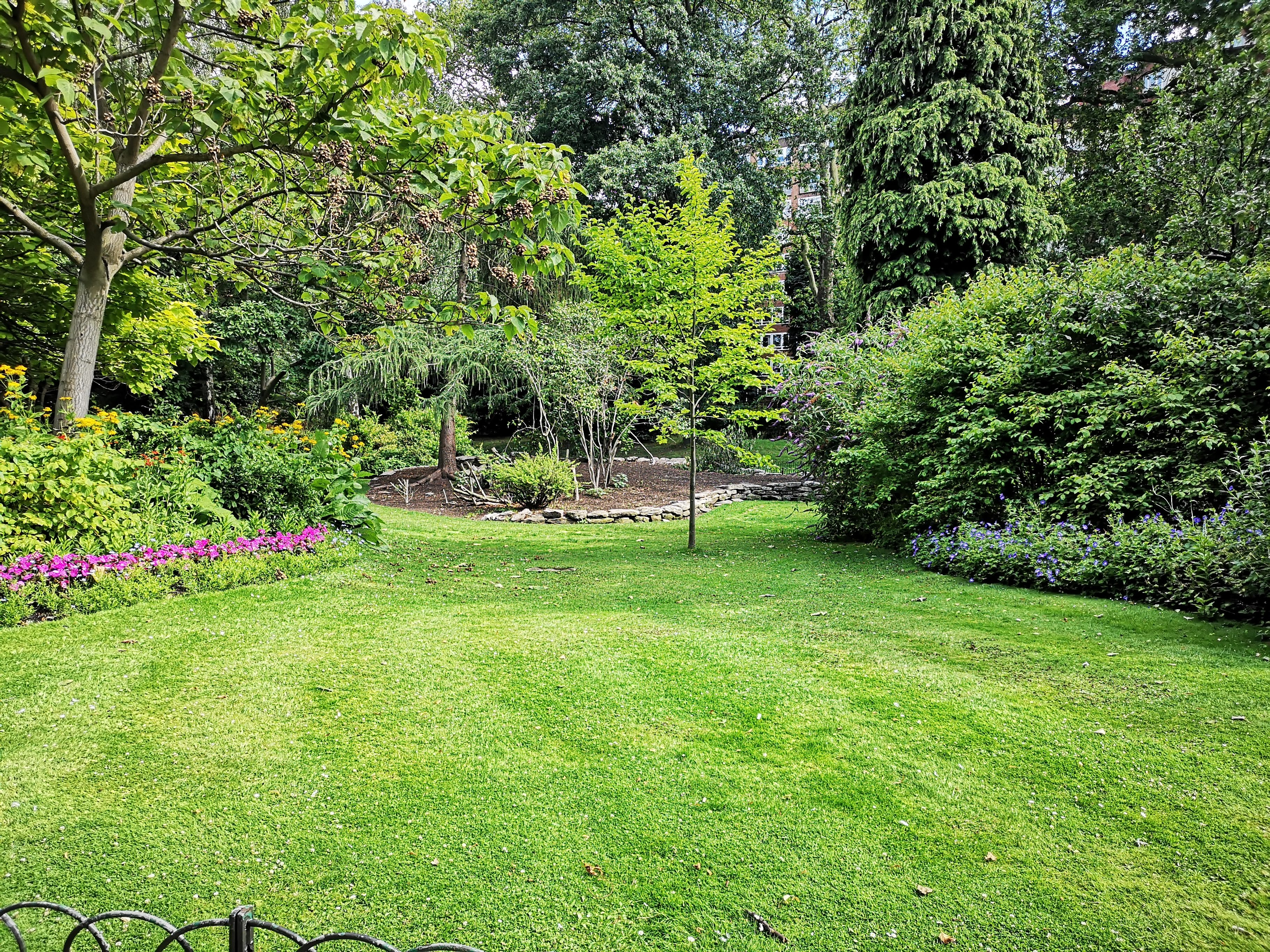
Beyond Green: Sustainable Lawn Care Practices for a Better Tomorrow Mar 10, 2026
Our journey into sustainable lawn maintenance starts with understanding the fundamental practices that make a real difference. One of the most impactful changes you can make is opting for organic fertilizers. Unlike synthetic fertilizers, which can deplete the soil of its natural nutrients over time, organic options improve soil health by enhancing its structure and increasing microbial activity. This not only enriches the lawn but also reduces the runoff of harmful chemicals into water systems.
Water conservation is another vital aspect of sustainable lawn care. Over-watering can be as harmful as not watering enough, leading to shallow roots and weak grass. To combat this, consider installing a smart irrigation system. These systems adapt to weather conditions and only water when necessary, significantly reducing water waste. Early morning watering is also more efficient, as it allows the grass to absorb moisture before the sun's heat causes it to evaporate.
Many homeowners overlook the benefits of proper mowing techniques. Regular mowing, at the recommended height of three to four inches, promotes deeper root growth and more resilient grass. Moreover, leaving grass clippings on the lawn returns vital nutrients to the soil, acting as a natural mulch. This process, known as grasscycling, further reduces the need for additional fertilizers and maintains soil health.
Diversity in plant life is crucial to a sustainable lawn. Monocultures, or lawns with only one type of grass, are more susceptible to pests and diseases. By incorporating a mix of grass species and native plants, you create a balanced ecosystem that requires fewer chemicals to maintain. Native plants, in particular, are well-adapted to local climates and pests, reducing the need for artificial irrigation and pesticides.
Speaking of pests, managing them without the use of harsh chemicals should be a priority. Integrated Pest Management (IPM) is an effective strategy that combines biological, cultural, and mechanical tools to control pest populations. Encouraging natural predators, such as birds and beneficial insects, can significantly reduce the need for chemical interventions.
Aeration is another key practice in sustainable lawn care. Over time, soil compaction can hinder water absorption and root development. Aerating your lawn once or twice a year helps break up this compaction, allowing air, water, and nutrients to reach the roots more effectively. This practice not only enhances growth but also strengthens lawn resilience against stressors such as drought and heavy foot traffic.
As we embrace these sustainable methods, it’s essential to remember that patience and consistency are key. Transitioning to sustainable lawn care may not yield immediate results, but over time, the benefits will become increasingly apparent. At ZP Enterprises, we are committed to guiding our clients through this journey, ensuring that their lawns are green in the truest sense—vibrant, healthy, and environmentally friendly.
In conclusion, sustainable lawn care practices are a worthwhile investment in our environment and community. By choosing methods that promote soil health, conserve water, and encourage biodiversity, we not only achieve a beautiful lawn but also contribute to the well-being of our planet. Together, with conscious efforts, we can make a significant impact, ensuring that our green spaces flourish both today and for future generations.
/filters:no_upscale()/filters:format(webp)/media/8a8ebf61-3997-4a08-b742-94b458f91b2d.jpeg)