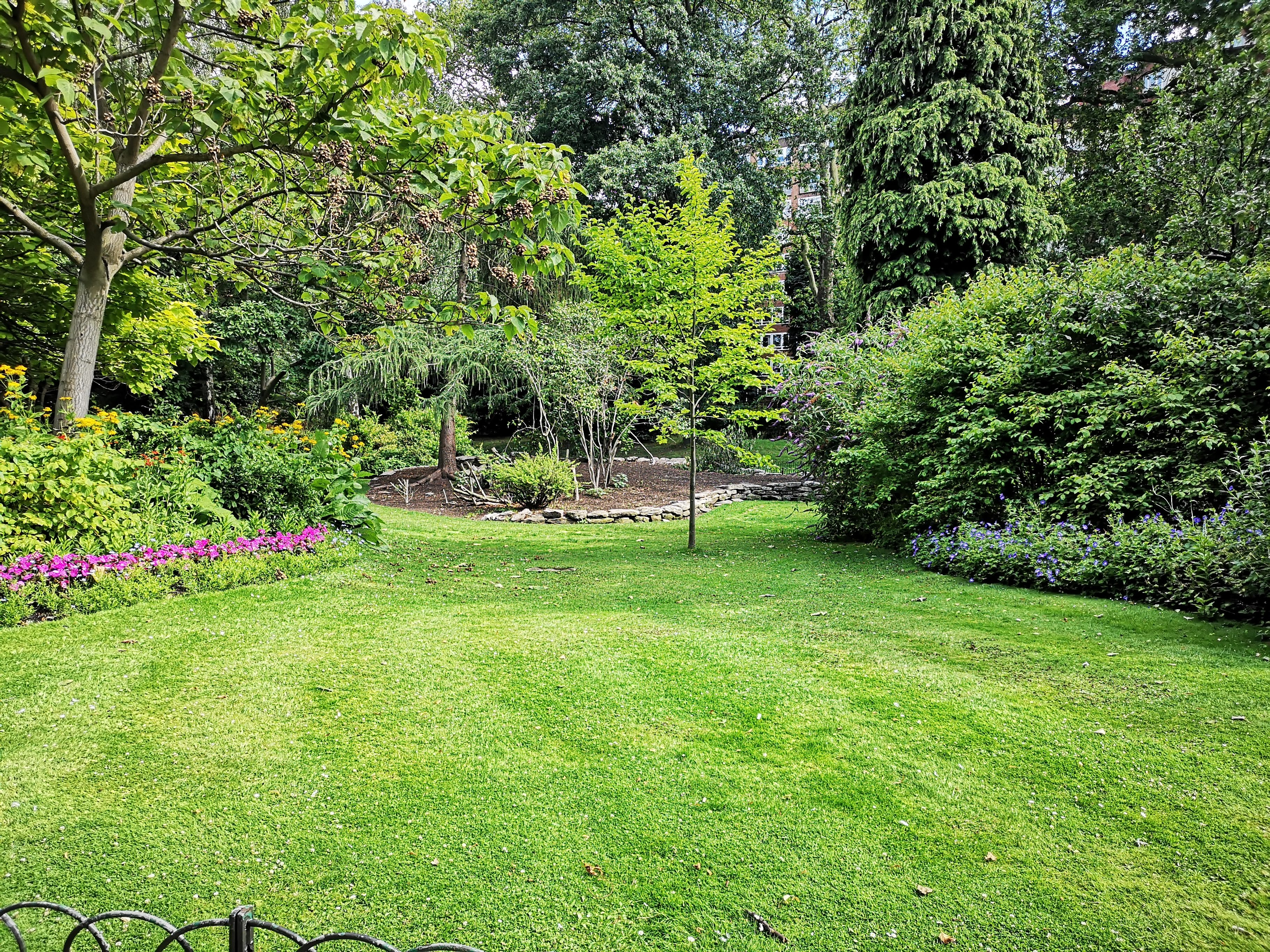
Eco-Friendly Lawn Care: Sustainable Practices for a Greener Future Mar 02, 2026
To begin with, understanding the necessity of an eco-friendly lawn is crucial. The traditional lawn care approach often involves chemical pesticides and fertilizers, which can leach into the groundwater and contribute to pollution. By opting for environmentally friendly alternatives, you protect the local ecosystem and enhance the biodiversity within your garden. For example, incorporating native grass species in your lawn can significantly reduce the need for irrigation and chemical interventions, thanks to their natural adaptability to the local climate.
One fundamental principle of sustainable lawn care is water conservation. Implementing smart watering routines not only conserves water but also ensures your lawn thrives. Instead of frequent shallow watering, consider deep irrigation techniques that encourage deeper root growth. Early morning or late evening watering allows for maximum absorption and minimal evaporation. Additionally, rainwater harvesting systems can efficiently reduce water usage and lower water bills.
Another crucial practice is the adoption of organic fertilizers. Traditional fertilizers often contain harsh chemicals that can harm beneficial insects and microorganisms. Organic fertilizers, on the other hand, enrich the soil naturally and promote healthy plant growth. Compost is an excellent choice, providing essential nutrients and improving soil structure. Regularly applying a layer of compost can help maintain the right nutrient balance without the negative impacts of synthetic fertilizers.
Mowing habits also play a significant role in sustainable lawn care. Proper mowing techniques not only keep your lawn neat but also encourage stronger grass growth. Keep your mower blades sharp and only cut one-third of the grass height at a time. This approach helps prevent stress on the grass and reduces the risk of pests and diseases. Leaving grass clippings on the lawn can further enhance soil health by returning valuable nutrients back to the ground.
Incorporating biodiversity into your lawn care routine can significantly boost ecological balance. Invite beneficial insects by creating insect habitats with flowering plants. These insects, such as bees and ladybugs, naturally control pest populations and promote pollination. Moreover, a diverse plant selection can help combat challenging weather conditions and reduce the need for chemical treatments.
ZP Enterprises recommends avoiding the use of synthetic pesticides whenever possible. Instead, explore organic options or natural pest deterrents. Natural remedies, such as neem oil or diatomaceous earth, offer effective means to address common lawn pests without compromising the well-being of your garden ecosystem.
As we move towards a more sustainable future, eco-friendly lawn care becomes an essential part of our environmental responsibility. By implementing these practices, you not only create a beautiful and resilient lawn but also contribute to a healthier planet. At ZP Enterprises, we are committed to providing solutions that align with these principles, ensuring that our community can enjoy green spaces that are as sustainable as they are stunning.
Incorporating eco-friendly lawn care techniques is a step towards achieving a greener future. Through mindful practices, we can all contribute to an environment that supports life in all its forms. Remember, a sustainable lawn starts with the choices we make today, fostering a better tomorrow for generations to come.
/filters:no_upscale()/filters:format(webp)/media/8a8ebf61-3997-4a08-b742-94b458f91b2d.jpeg)